
News & events
-
Mycoplasma
Read MoreMycoplasmas are a fascinating group of extremely small bacteria with unique characteristics and growth habits. There are over 120 species of Mycoplasmas found in and on a variety of animal and plant hosts. They possess no cell walls, are fastidious in their growth requirements, and are the smallest type of self-replicating prokaryotic organism.
-
Compounding Errors
Read MoreIn 2022, Compounding Today ran a series of articles on pharmaceutical compounding errors. These articles are captured in an 11 part series. See the links below for access to content.
-
Atomic Absorption
Read More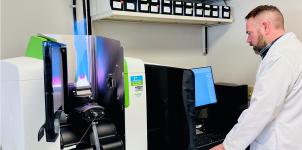
-
Water Activity
Read MoreIn compounded preparations, water activity refers to the water in a drug product freely available to participate in reactions such as hydrolysis or provide an environment that supports microbiological growth. Measuring water activity is important because many drug products include water in their formulations and are sensitive to water exchanges with the environment.
-
Stability failures
Read MoreQuality assurance programs are essential to establishing standards for compounded preparations. One of the most important elements in a QA program is identifying the root cause of a failure and implementing a corrective action to prevent a future failure, also known as CAPA (Corrective and Preventative Action).
-
Stability Factors
Read MoreStability measures the extent to which a product retains, within specified limits, and throughout its period of storage and use, the same properties and characteristics it possessed at the time of compounding. According to USP <1191>, pharmacists should establish and maintain compounding conditions that ensure drug stability to help prevent therapeutic failure and adverse responses.